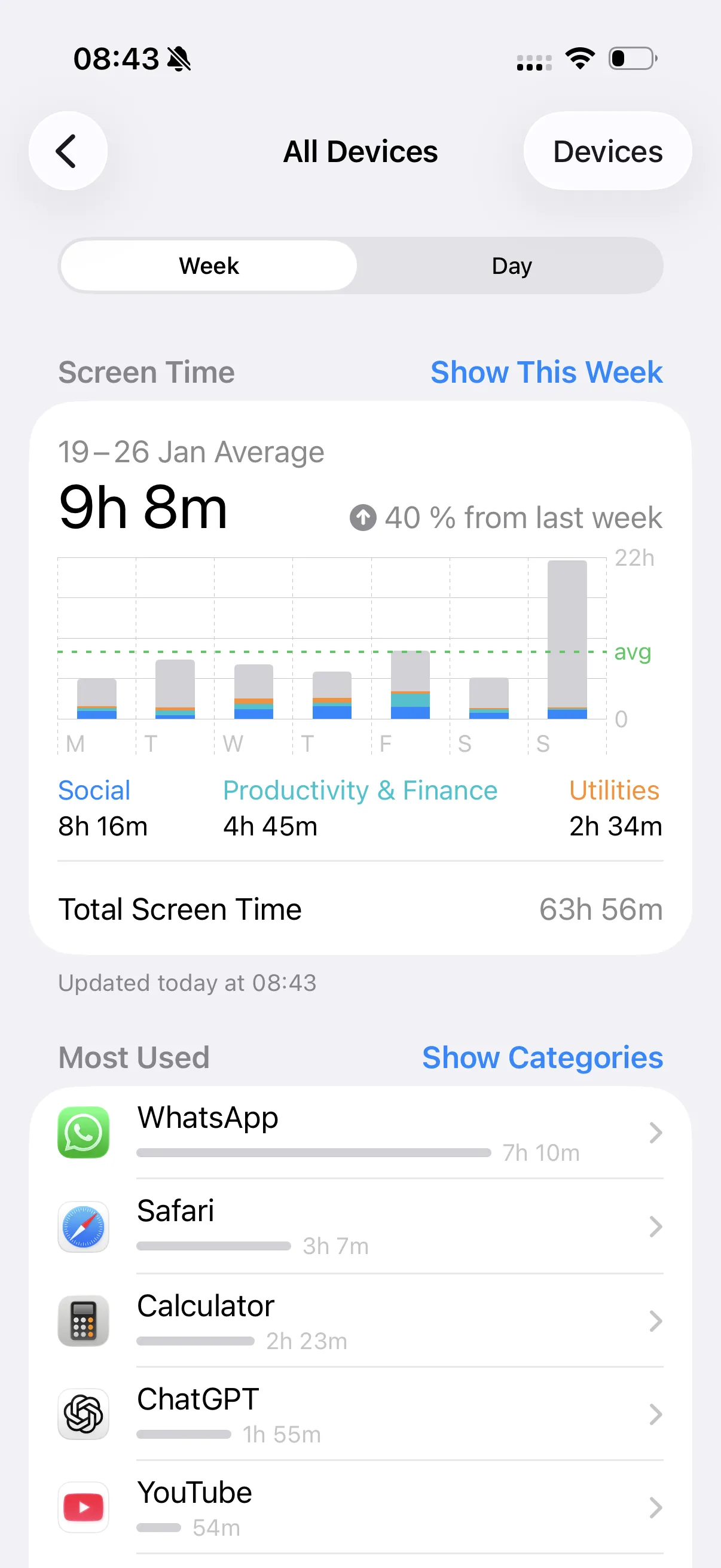







Opal treats you like a child by hiding your apps.
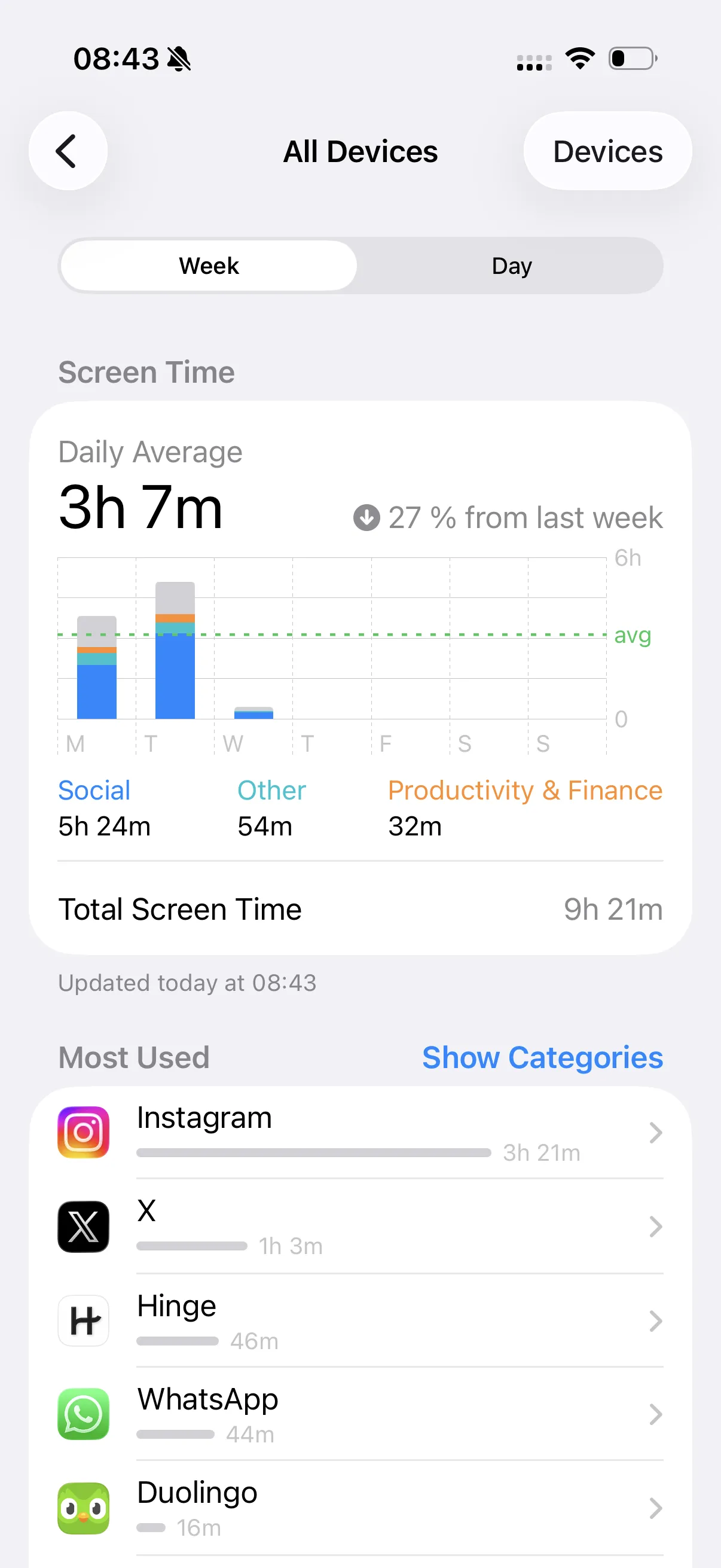
We treat you like a human by helping you master them.
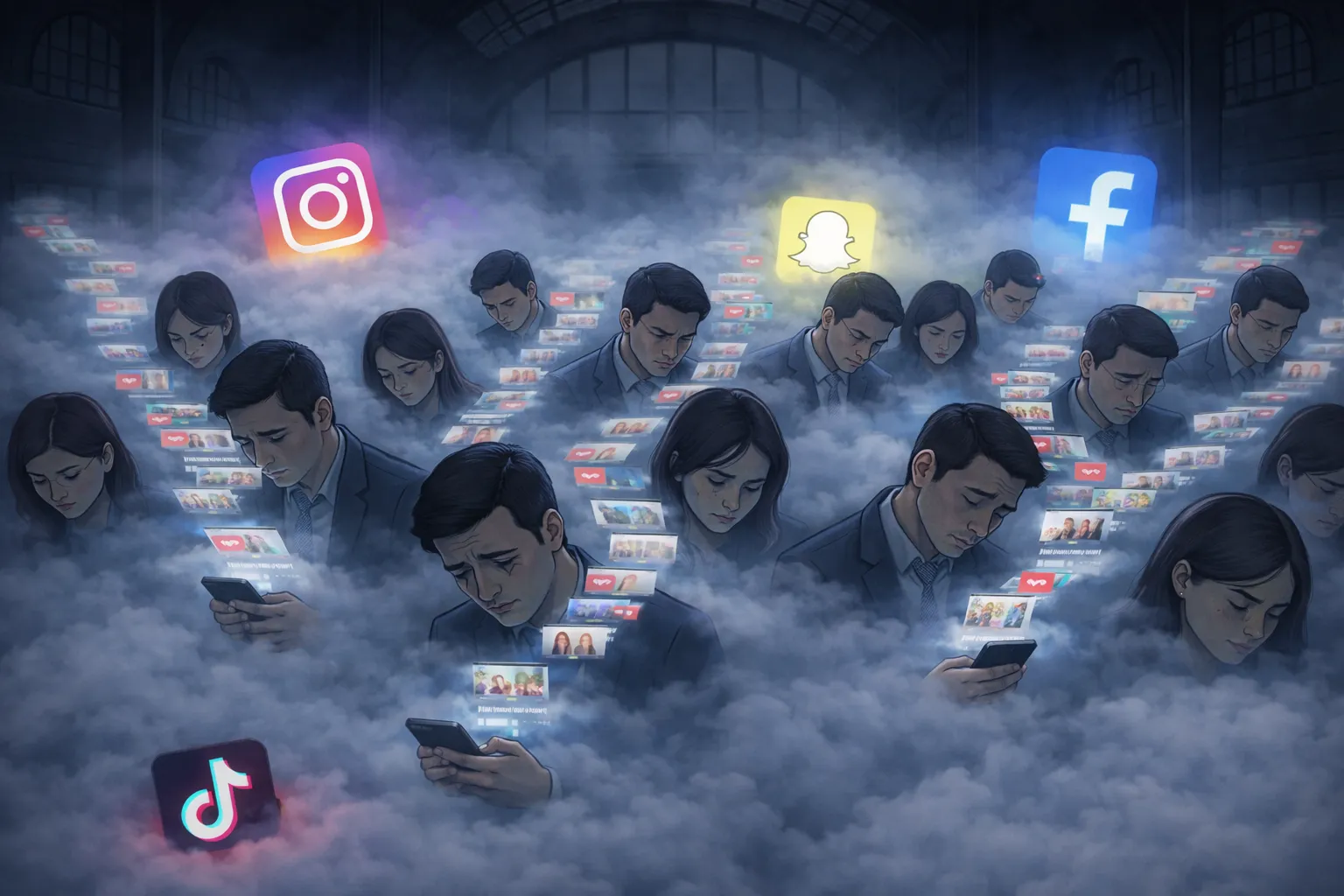
Before EvilEye
After EvilEye
EvilEye interrupts the addiction loop not with a wall, but with a smile.
Break the autopilot habit, choose your session time consciously, and stop being a slave to your screen.
You can't fight dopamine with a padlock.
Apps like Opal rely on External Restriction. They lock the door to your favorite apps, forcing you to use willpower to stay away. But psychology tells us that restriction creates craving.
When the Opal block ends, your brain demands the dopamine it was denied, leading to massive binges.
You eventually find yourself deleting the blocker or finding ways to bypass it because the urge wasn't addressed—only suppressed.
If you delete Opal tomorrow, you are back to square one. You haven't learned how to use social media; you've just learned how to hide from it.
Interrupt the loop. Reset the brain. Choose your time.
We don't block "evil" apps. We make them "conscious" apps.
By adding a small, positive barrier to entry, we shift your brain
from System 1 (Autopilot) to System 2 (Deliberate Choice).
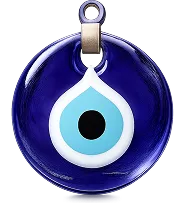
Your amulet is warding off digital distraction. To break the seal and enter, you must show a sign of joy.
You tap Instagram out of boredom. Instead of the feed loading instantly, EvilEye appears.
The app uses the camera to detect a smile. You must smile to unlock it.
Once unlocked, you decide: "I want to use this for 15 minutes."
Harvard research proves that suppression amplifies cravings. Here's the peer-reviewed science behind why app blockers fail.
Harvard psychologist Daniel Wegner proved through decades of research that suppression doesn't eliminate desire — it amplifies it.
In 1987, Harvard psychologist Daniel Wegner ran a now-famous experiment: he asked participants to not think about a white bear. The result? They thought about it more than the group told to think about it freely. This counterintuitive finding launched one of the most important theories in modern psychology.
Wegner called it Ironic Process Theory. When you actively try to suppress a thought or behavior, your brain deploys two processes: an intentional operating process that tries to create the desired mental state, and an ironic monitoring process that searches for failures. The monitor ironically keeps the suppressed target more accessible in your mind. The harder you try to block something, the stronger the craving becomes.
Opal's hardcore blocking is the digital equivalent of Wegner's white bear. When you forcefully block Instagram or TikTok, your brain's monitoring process fixates on the very apps you're trying to avoid. When the block ends, your brain demands the dopamine it was denied — triggering the exact binge behavior you were trying to prevent.
Two philosophies. One goal. Only one builds lasting change.
No fluff. No marketing speak. Just straight answers to the questions you're actually asking.
Don't let technology rob you of your time. Reclaim your agency today.
Download for iOS